
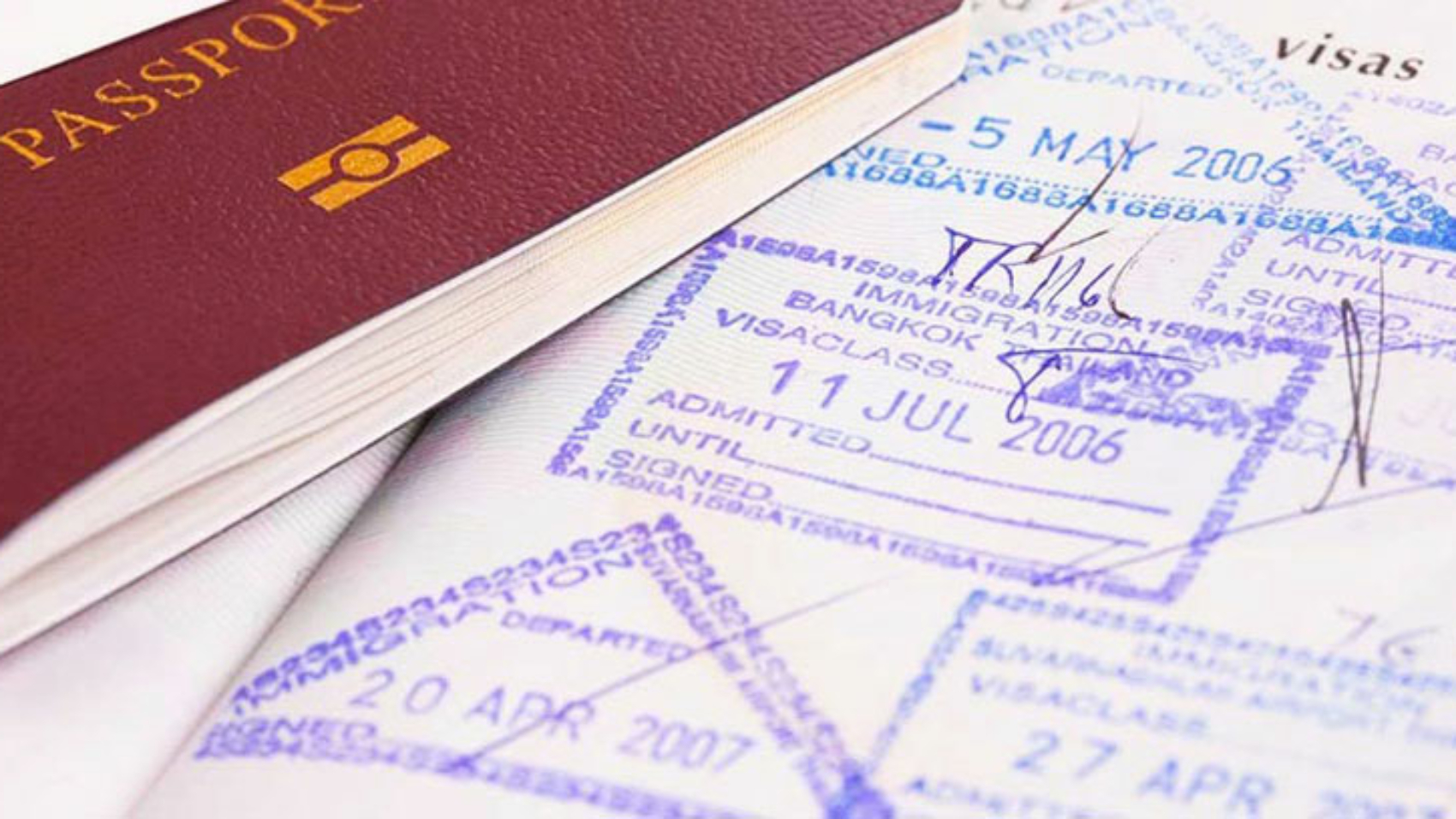
Thailand visa exemption scheme allows eligible foreign nationals to enter the country without obtaining a visa in advance for short-term purposes such as tourism, business discussions, or urgent personal matters. The visa exemption program facilitates international travel and supports Thailand’s tourism-driven economy, while still maintaining immigration controls.
Although visa exemption offers convenience, it is subject to strict conditions, duration limits, and regulatory enforcement. Travelers frequently misunderstand the distinction between visa exemption, visa-on-arrival, and formal non-immigrant visas, leading to overstays or unauthorized activities.
This article provides a detailed analysis of Thailand’s visa exemption system, including eligibility criteria, permitted activities, extension options, restrictions, compliance risks, and strategic considerations for foreign nationals.
Legal Framework Governing Visa Exemption
Thailand’s visa exemption scheme operates under the authority of:
-
the Immigration Act B.E. 2522 (1979),
-
Ministerial Regulations issued by the Ministry of Interior, and
-
Immigration Bureau policies.
Entry permission under visa exemption is granted at the discretion of immigration officers at ports of entry.
Visa exemption does not constitute a visa. Instead, it represents a waiver of visa requirements for eligible nationalities under specified conditions.
Eligibility for Visa Exemption
Eligibility depends primarily on nationality.
Thailand maintains a list of countries whose citizens may enter visa-free for tourism purposes. The duration of permitted stay varies depending on nationality and entry method.
Generally, visa exemption allows:
-
short-term tourism visits,
-
limited business meetings (without employment),
-
transit through Thailand.
Travelers must hold:
-
a valid passport (with minimum validity requirements),
-
proof of onward or return travel,
-
evidence of sufficient financial means for stay.
Immigration officers retain authority to deny entry if requirements are not satisfied.
Duration of Stay Under Visa Exemption
The permitted length of stay depends on:
-
nationality,
-
whether entry occurs by air or land,
-
current immigration policies.
Typically, visa exemption allows stays ranging from 30 to 60 days.
Entry via land borders may carry additional annual entry limitations.
Overstaying beyond the permitted period constitutes a violation of Thai immigration law.
Permitted Activities Under Visa Exemption
Visa exemption permits only limited activities.
Permitted activities generally include:
-
tourism,
-
sightseeing,
-
visiting friends or family,
-
attending short business meetings,
-
participating in conferences (without remuneration in Thailand).
Visa exemption does not authorize:
-
employment,
-
business operations,
-
long-term study,
-
volunteering in regulated sectors,
-
income-generating activities.
Foreign nationals engaging in work must obtain an appropriate visa and work permit.
Extension of Stay
Travelers entering under visa exemption may apply for an extension at a local Immigration Office.
Typically, an extension of up to 30 days may be granted, subject to:
-
application before expiration,
-
payment of government fees,
-
demonstration of legitimate reason for extended stay.
Approval is discretionary and not guaranteed.
Overstay Penalties
Thailand enforces strict penalties for overstaying.
Consequences may include:
-
daily fines up to statutory limits,
-
detention pending deportation,
-
blacklisting prohibiting re-entry for specified periods.
Length of overstay determines severity of penalties and entry bans.
Voluntary surrender before arrest may mitigate certain consequences, but does not eliminate liability.
Visa Exemption vs. Visa on Arrival
Visa exemption differs from visa on arrival.
Visa exemption:
-
Requires no pre-application or on-arrival application.
-
Granted automatically to eligible nationalities.
Visa on arrival:
-
Requires application at the port of entry.
-
Available only to certain countries.
-
Involves fee payment and documentation review.
Both systems are temporary entry mechanisms and subject to immigration discretion.
Border Runs and Frequent Entry Concerns
Frequent use of visa exemption through repeated exits and re-entries may trigger immigration scrutiny.
Immigration officers may deny entry if they determine:
-
the traveler is residing in Thailand without proper visa,
-
the individual appears to be working illegally,
-
the entry pattern suggests abuse of visa exemption privileges.
Visa exemption is intended for genuine short-term visits rather than long-term residence.
Financial Requirements and Supporting Documentation
Immigration authorities may require proof of financial means.
Travelers may be asked to show:
-
minimum cash holdings,
-
bank statements,
-
credit cards,
-
confirmed accommodation bookings,
-
onward travel tickets.
Failure to provide documentation may result in denial of entry.
Visa Exemption and Work Authorization
A common misconception is that short-term business activity under visa exemption permits work.
Under Thai law, any activity defined as “work” requires a work permit.
Even unpaid consulting, management, or operational activity may require authorization.
Foreign nationals intending to work must obtain:
-
a Non-Immigrant “B” visa, and
-
a valid work permit.
Engaging in unauthorized employment under visa exemption may result in arrest and deportation.
Conversion to Other Visa Types
In certain circumstances, travelers may convert visa exemption status to a non-immigrant visa within Thailand.
Such conversion typically requires:
-
meeting qualification requirements,
-
submitting complete documentation,
-
obtaining approval from Immigration authorities.
Conversion is not automatically available and depends on individual circumstances.
Special Entry Programs and Policy Changes
Thailand periodically modifies visa exemption rules in response to:
-
tourism promotion strategies,
-
diplomatic agreements,
-
public health considerations,
-
economic policy objectives.
Travelers must verify current regulations before departure.
Policy adjustments may affect duration of stay or eligibility.
Strategic Considerations for Long-Term Visitors
Individuals planning extended stays in Thailand should evaluate alternative visa options such as:
-
tourist visas,
-
retirement visas,
-
education visas,
-
business visas,
-
long-term resident programs.
Visa exemption is best suited for short-term travel rather than continuous residence.
Repeated short-term entries may result in denied entry at the border.
Compliance Best Practices
To ensure lawful stay, travelers should:
-
confirm nationality eligibility,
-
verify permitted duration of stay,
-
avoid unauthorized employment,
-
track expiration dates carefully,
-
apply for extension before expiration,
-
retain entry stamp documentation.
Proper compliance reduces the risk of fines or entry bans.
Conclusion
Thailand’s visa exemption scheme provides convenient short-term entry for eligible travelers while maintaining regulatory safeguards under the Immigration Act. Although the system supports tourism and business travel, it imposes clear limitations on duration, permitted activities, and frequency of use.
Understanding the legal boundaries of visa exemption is essential to avoid overstay penalties, employment violations, or denied entry. Travelers seeking longer stays or employment authorization should pursue appropriate visa categories to ensure full compliance with Thai immigration law.
Careful planning and adherence to regulatory requirements enable foreign nationals to enjoy lawful and uninterrupted visits within Thailand’s structured immigration framework.